Bureaucracy
For anyone seeking to understand the present day, bureaucracy is an important piece of the puzzle. What happens to public administration when it is challenged by consultants, AI and populists?
Throughout the twentieth century, populists, liberals, and Marxists have criticised bureaucracy, pitting bureaucrats against elected representatives, or even against the will of the people. But at a time when politicians are seeking to dismantle public administration, bureaucracy may instead serve as a safeguard for liberal democracy.
At the same time, the traditional bureaucrat is being challenged by paperwork, AI, and consultants, while both liberal democracies and authoritarian states exploit bureaucracy’s black holes. What happens to public administration when it is challenged by consultants, AI, and populists? And what happens to those subjected to the bureaucrats’ micropolitical power?
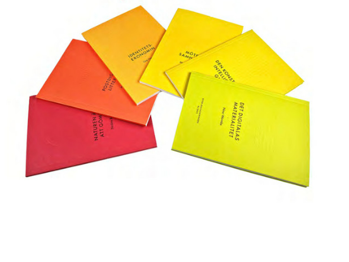
Every year, an overarching theme is explored based on the research supported by the foundation. The yearbook consists of standalone booklets that are compiled into a box.
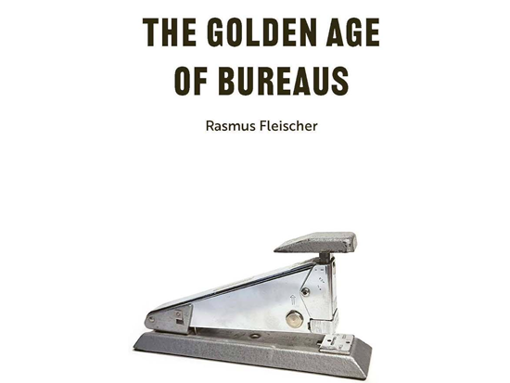
Economic historian Rasmus Fleischer asks what happened to all the agencies.
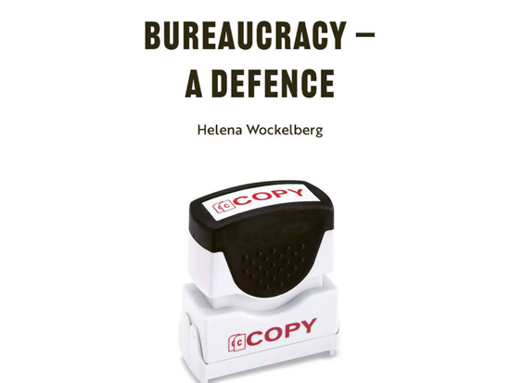
Political scientist Helena Wockelberg writes about why democracy needs bureaucracy.
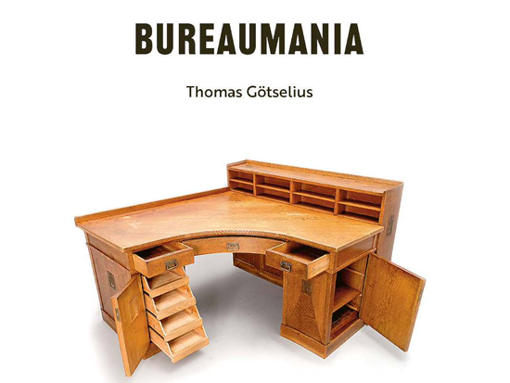
Literary scholar Thomas Götselius sees a glimmer of hope when he finds a person behind the desk.
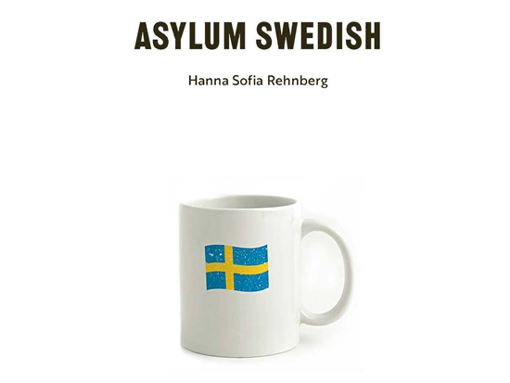
Linguist Hanna Sofia Rehnberg writes about the role of words in the asylum process.
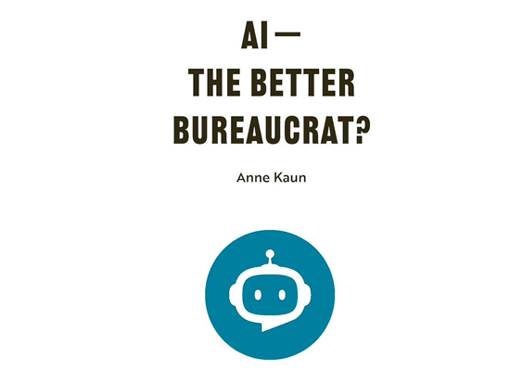
Media scholar Anne Kaun writes about AI in bureaucracy.
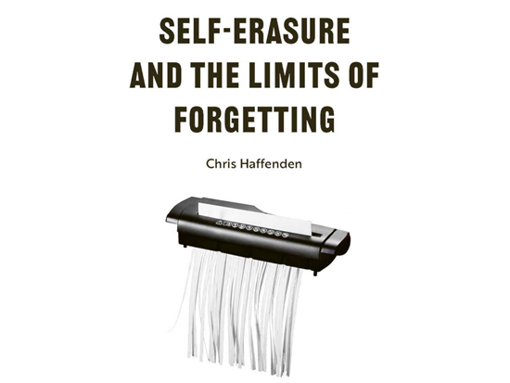
Intellectual historian Chris Haffenden writes about the power of memory and the diminishing possibilities for forgetting.